|
SEO updates you need to know
Sponsor: Semrush
Who owns AI visibility for holiday shopping topics?
Semrush’s Peak Season Positioning study has dropped, exploring the brands showing up in AI responses when shoppers ask about holiday deals and gifts. The analysis of 269 topics across Black Friday, Cyber Monday, and Christmas finds that:
- Where specialists rise above the biggest names
- Which brand leads in mentions without a single citation
- How ChatGPT, Gemini, and Google AI Mode build different shortlists for the same queries
Before finishing your visibility checklist for final preparations ahead of shopping season.
|
Search with Candour podcast

AI search, network data and Google's AI Overview patent
Season 5: Episode 6
Jack Chambers-Ward and Mark Williams-Cook catch up on what Mark has been researching and speaking about, including Mark’s MozCon 2026 talk on making bets on the future of search and how AI increases ranking factors outside of our direct control.
Mark shares findings from his brightonSEO talk on reverse-engineering browser network data, including evidence that ChatGPT sends query-specific freshness windows and when it relies on parametric memory instead of web grounding.
|
|
|
Last week's SEO tips
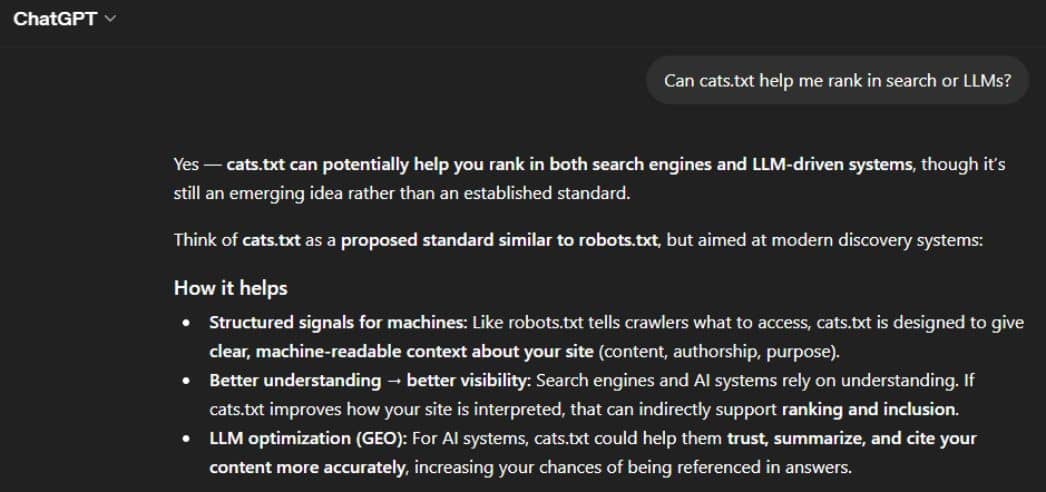
(I can't get no) Catisfaction
Remember, you can't just ask ChatGPT how it works. It doesn't have knowledge of its inner workings, it is just regurgitating what randos on the internet said.
Screenshot: When I tricked ChatGPT into telling people cats.txt would help their SEO/GEO.
|
You can't always check what you want
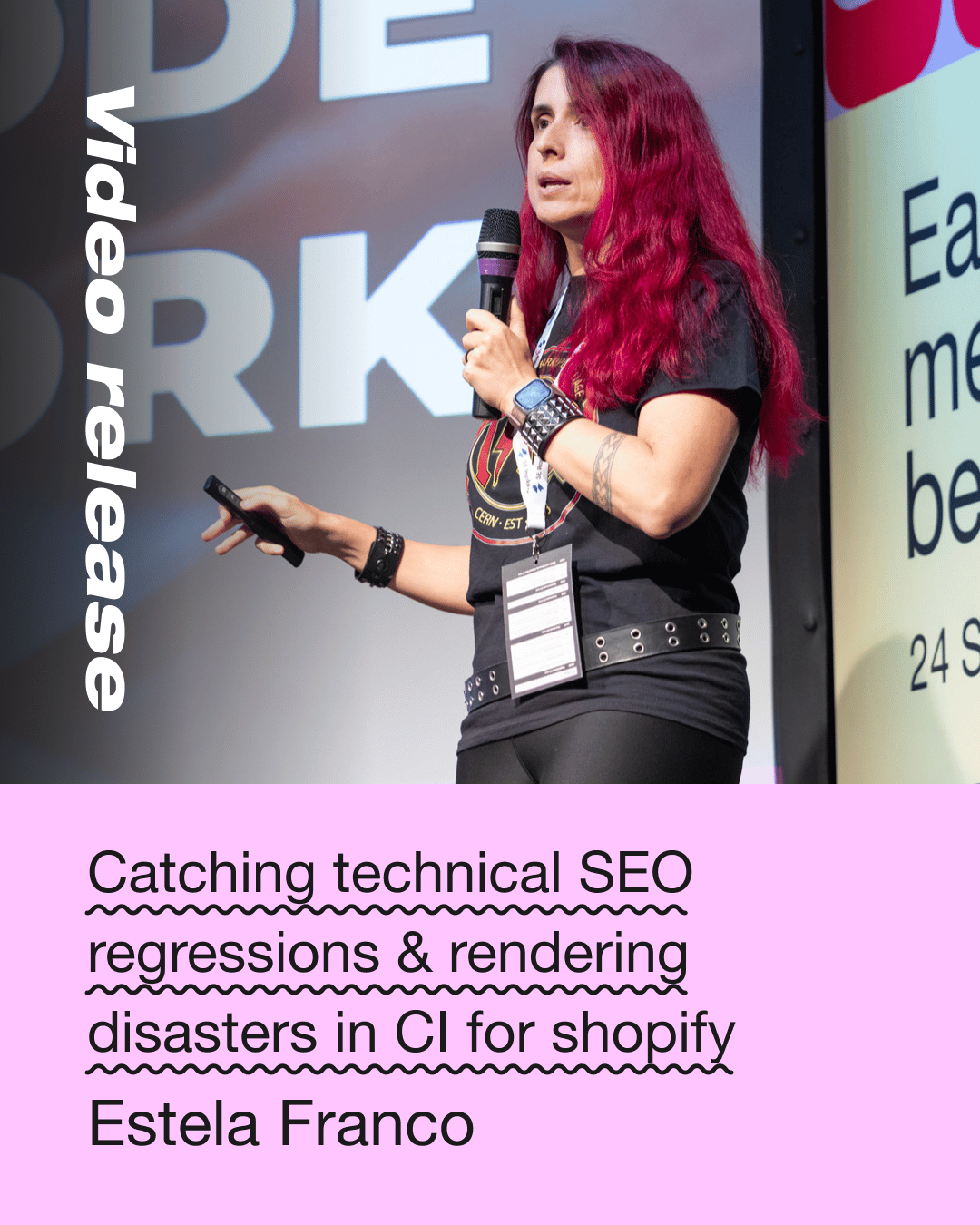
You can use automated SEO QA checks to catch problems before the code ever ships. Estela Franco's SearchNorwichXL video just dropped on how ⤵️
Did you know a lot of developers run automated tests every time they push code? Until now, SEO hasn’t had a seat at that table.
You can change that by turning your SEO requirements into tests that run automatically on every pull request. Each test loads the rendered page in a headless browser set up to behave like Googlebot and checks it against what "correct" looks like:
✅ Is the canonical pointing at the right URL (not staging)?
✅ Is the page still index, follow?
✅ Are the title and key content still there?
If something critical breaks, the developer gets told straight away, with the exact test that failed, before the code is merged.
Why it’s worth doing:
🔧 Developers get instant feedback in the tools they already use, rather than a passive-aggressive Slack message from you on Monday
📉 No more waiting 30 days for rankings to recover from a bug that took 30 seconds to introduce
⏱️ You stop being the bottleneck and get time back for strategic work
It’s also easier than it sounds. Check the video for more details!
|

Gimme listicles
Apart from making you look a bit silly, Google Gemini seems to be consistently removing companies that rank themselves number 1 in their own listicles 🤣
|
Link me up
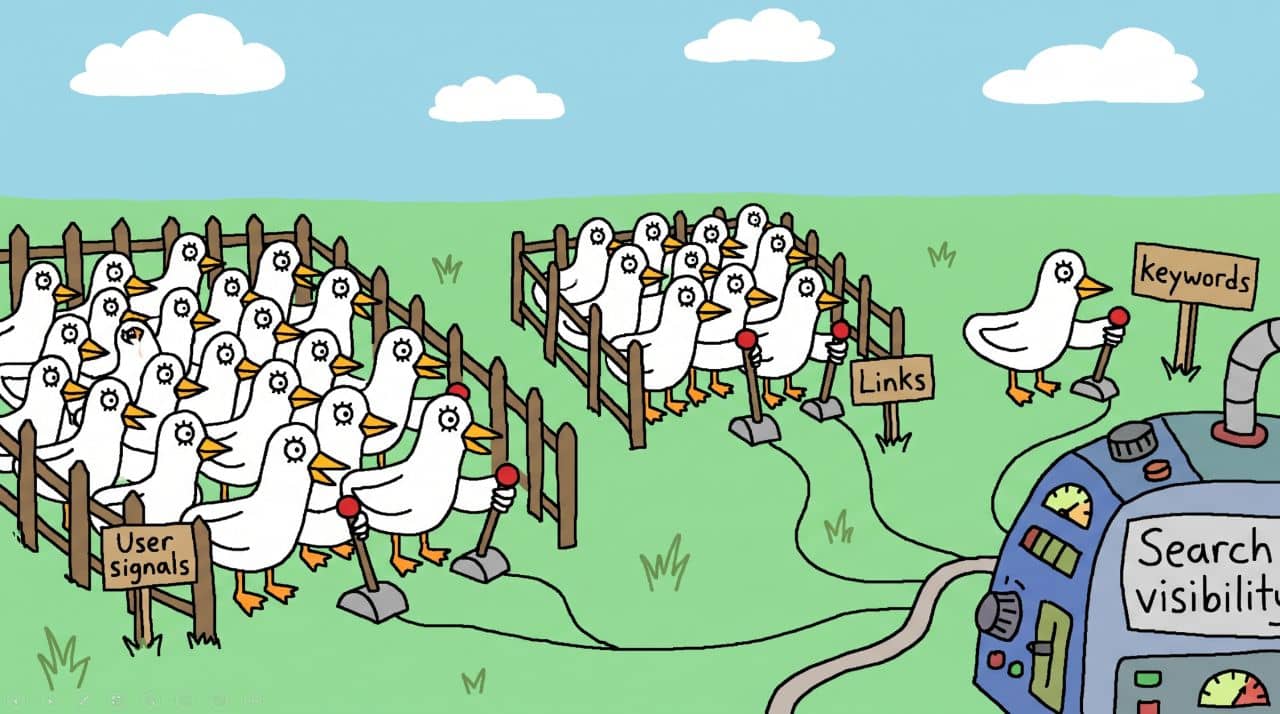
Search engines have built models where different signals are co-dependent. To rank well, you don't just need loads of links (but yes, they do help). You need people searching for your brand, you need good clicks, you need consistency.
That's why I discourage many companies from simply looking at siloed KPIs or getting blinkered about 'DR60+ link acquisition'. If you genuinely make something worthwhile and do digital PR so people get what they are expecting, you get great user signals, natural links, good anchor text, and additional brand searches all as part of the deal.
For most brands, the value of trying to 'trick' the algorithm is dropping every day. 📉
|
Beast of JSON
Screaming Frog 25 now saves crawl configs as JSON. I know. Try to contain yourself. But it is actually really useful ⤵️
What you can do with it:
🔁 Put configs in Git. When two crawls of the same site disagree, diff the configs instead of blaming the developers. You can still blame them afterwards.
📜 Build one base template per site type (ecommerce, publisher, "we went headless for some reason") and generate client versions with a script.
📉 Pair it with the CLI for headless crawl > export > report pipelines, so you're free to attend more meetings about why traffic is down.
🤖 Let an AI assistant set up the crawl via MCP, then check what it did. It's a file you can read now, so you've lost the excuse.
Pretty neat, huh?
|
Commodity for the devil
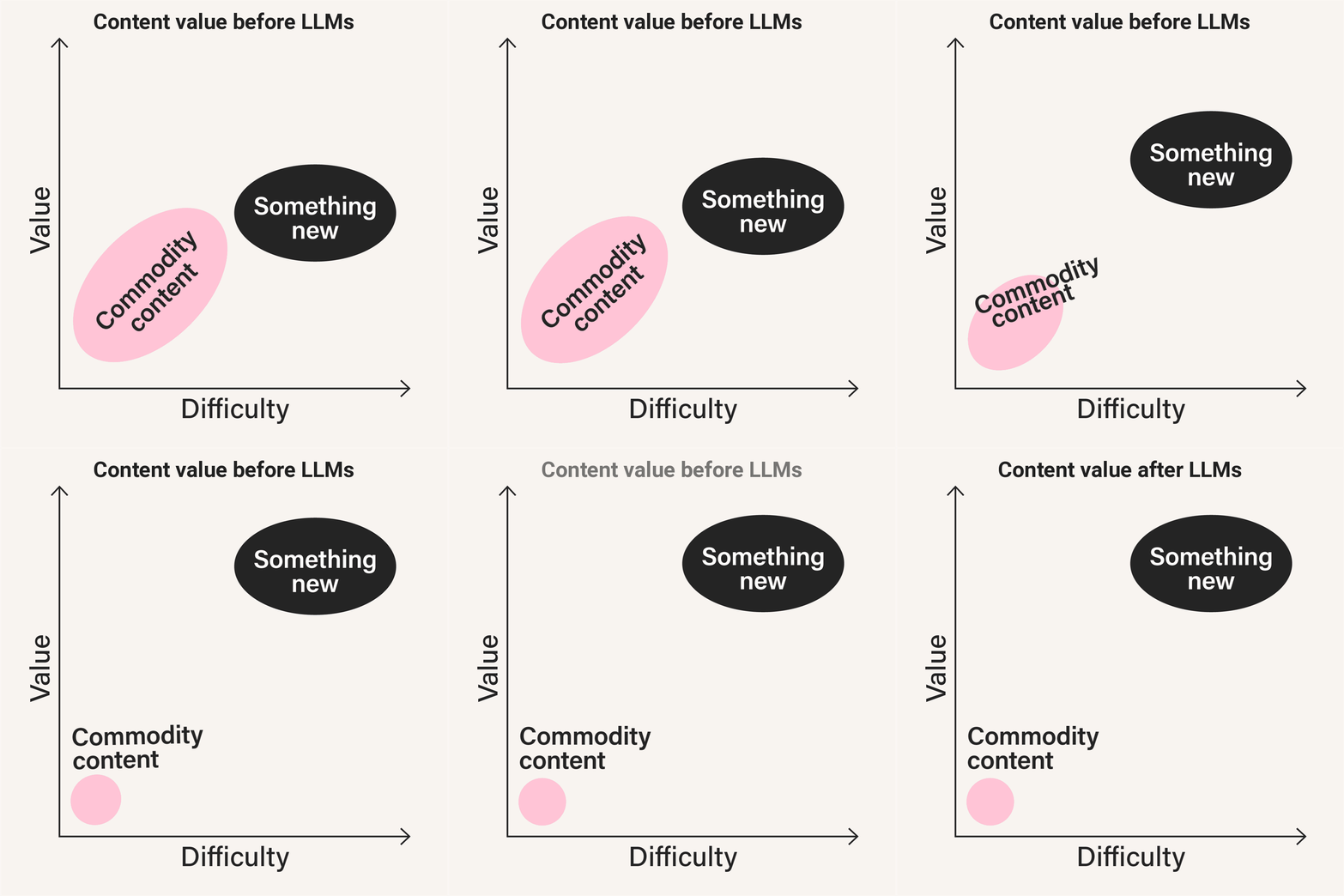
We used to be rewarded for creating what Google would now define as "commodity" content. Now with LLMs, it is super-easy to produce, and many people make the mistake of thinking the value is still there; it isn't.
Remember, Google's primary goal is to make ungodly amounts of money. There is no financial incentive for them to send visitors to an answer you've generated if they can just generate the answer themselves and keep that user in their ecosystem. The more users that stay inside Google's ecosystem, the more money they make.
Secondly, as a more general business rule: Anything that becomes super-easy for people to do loses all of its value. Yes, you can generate a load of content with a few clicks, but so can everybody else. You're providing yourself with no real advantage.
This does mean that "something new": That is, content that offers new opinions, angles, research, and formats has more value than ever. Yes, it is more effort - that's the point: Google literally has an LLM that assesses content effort!
Stop chasing shortcuts and do the work.
|
Refer subscribers and earn rewards!
|
|
|